


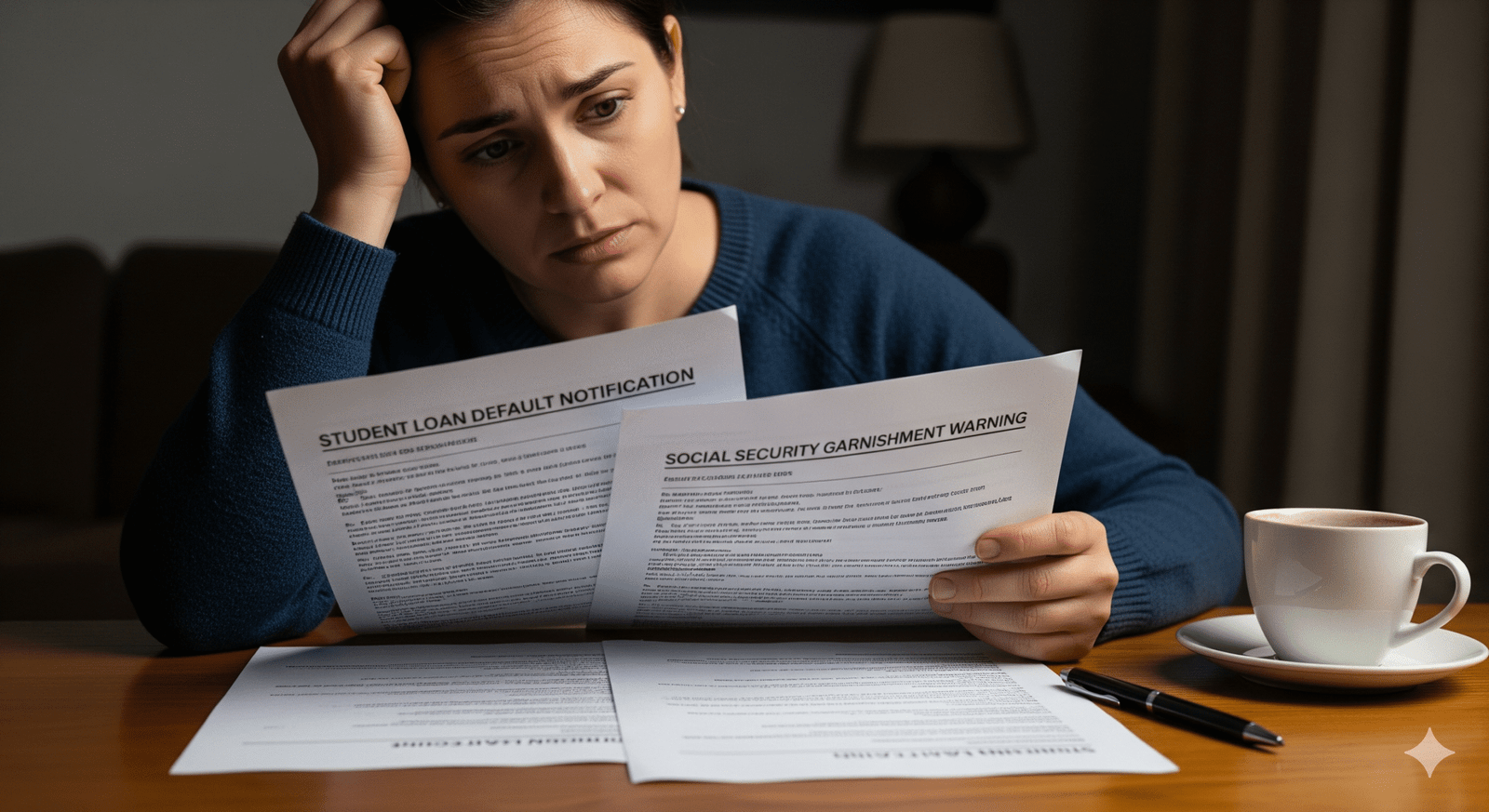
If you’re receiving Social Security and struggling with student loan debt, you might be wondering: can your benefits be garnished to repay that debt? The answer is yes — but with critical updates and protections you need to know in 2025.
What Is a Social Security Offset? Legal Basis Explained
A Social Security offset occurs when the federal government withholds part of your Social Security benefits to repay a defaulted federal debt, such as student loans. This is done through the Treasury Offset Program (TOP) under the authority of the Debt Collection Improvement Act of 1996.
In 2005, the Supreme Court ruled in Lockhart v. United States that even Social Security benefits could be garnished to collect defaulted federal student loans. However, private student loans are excluded from this type of collection.
Are Social Security Benefits Protected? Exceptions & Limits
While most creditors can’t touch Social Security benefits, federal debts are an exception. The law allows garnishment for:
- Federal student loans
- Child support or alimony
- Federal taxes
For student loans, the government can take up to 15% of your monthly Social Security benefit. However, the first $750 per month is protected — a threshold that hasn’t been adjusted since 1996.
Importantly:
- Supplemental Security Income (SSI) and VA disability payments cannot be garnished.
What’s Changed in 2025? Collections Resume & Garnishment Pause
In May 2025, the U.S. Department of Education resumed federal student loan collections after a pandemic-era pause. This included wage garnishments and Social Security offsets.
However, facing pressure from advocates, the Department paused all Social Security garnishments in June 2025. This means if you’re in default, your Social Security check is currently safe — but the pause is temporary and may end without further legislative action.
Who Is at Risk? The Human Impact
Older Americans are increasingly affected:
- In 2019, over 192,000 people saw Social Security offsets for student loans.
- Many rely on Social Security as their primary income source.
Impacts include:
- Falling below the poverty line
- Skipping medications or doctor visits
- Delayed or canceled retirement
Even a $100 reduction from Social Security can be life-changing when you’re on a fixed income.
How to Protect Your Benefits: Practical Steps
If you’re in default, take action quickly. Here’s how to stop or prevent garnishment:
1. Repayment Agreement
Contact your loan servicer to make a voluntary agreement before garnishment starts.
2. Loan Rehabilitation
Make 9 on-time payments in 10 months. This removes the default and halts garnishment.
3. Federal Loan Consolidation
Combine your loans into one. You must agree to an income-driven repayment plan.
4. Total and Permanent Disability (TPD) Discharge
If you’re disabled, apply for loan forgiveness. Garnishment stops immediately upon approval.
5. Request a Garnishment Reduction or Hardship Exemption
This is underutilized but available. Provide proof of financial hardship.
6. Income-Driven Repayment (IDR) Plans
Keep payments affordable — sometimes $0/month — and avoid future defaults.
Proposed Protections & Legislation
The Ending Administrative Wage Garnishment Act of 2025 seeks to:
- Permanently ban garnishment of Social Security, wages, and tax refunds for federal student loans.
- Update protections to reflect current poverty thresholds.
Advocates argue that the current $750 exemption leaves seniors destitute. This legislation could change the landscape entirely — but it’s not yet law.
Summary: What You Need to Know
- Yes, your Social Security can be garnished for federal student loans — but only under specific rules.
- Current Pause: As of June 2025, garnishment is on hold.
- Act Now: Options like rehabilitation, consolidation, and TPD discharge can protect your benefits.
- Legislation May Help: New laws may offer permanent protections.
FAQ: Student Loan Offsets & Social Security
Q: Can private student loans garnish my Social Security?
A: No. Only federal student loans can be collected through Social Security offsets.
Q: How much of my benefit can be taken?
A: Up to 15%, but at least $750 per month must remain untouched.
Q: Are garnishments happening now?
A: No. As of June 3, 2025, Social Security garnishments are paused.
Q: How can I stop garnishment?
A: Enter a repayment agreement, apply for rehabilitation, or request a hardship exemption.
Q: Will the law change to protect benefits?
A: Possibly. The Ending Administrative Wage Garnishment Act of 2025 would ban garnishment entirely if passed.
Final Note: If you’re a senior, veteran, or low-income retiree with student loan debt, now is the time to act. Talk to a student loan advisor, legal aid, or nonprofit credit counselor to understand your options.
Resources:


Avi Singh has spent a decade researching U.S. public benefit systems, covering Medicaid, SSA policy, and VA programs. Content is reviewed against official government sources before publication.